
Deforestation in Delhi
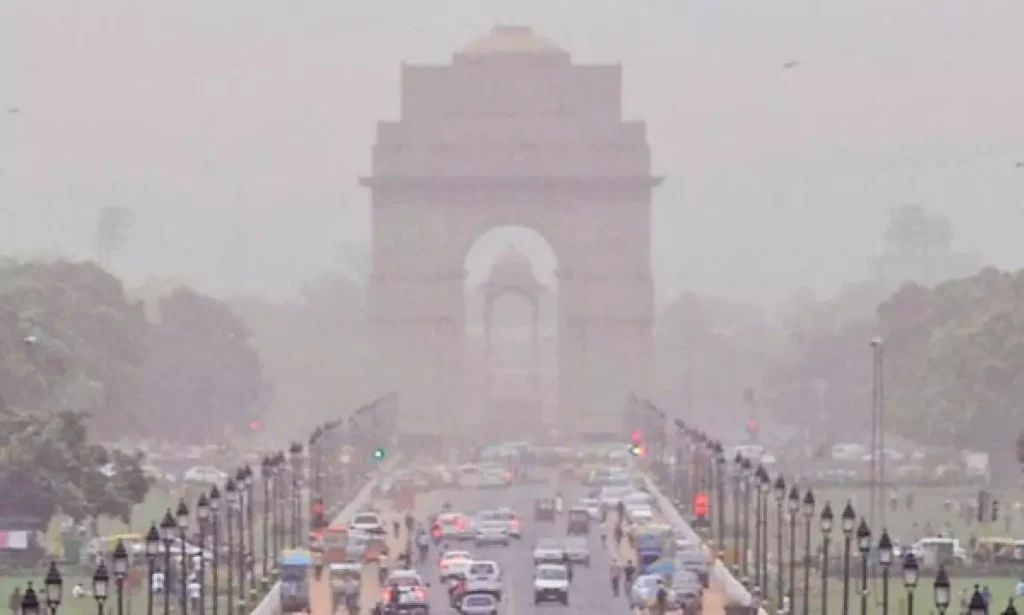
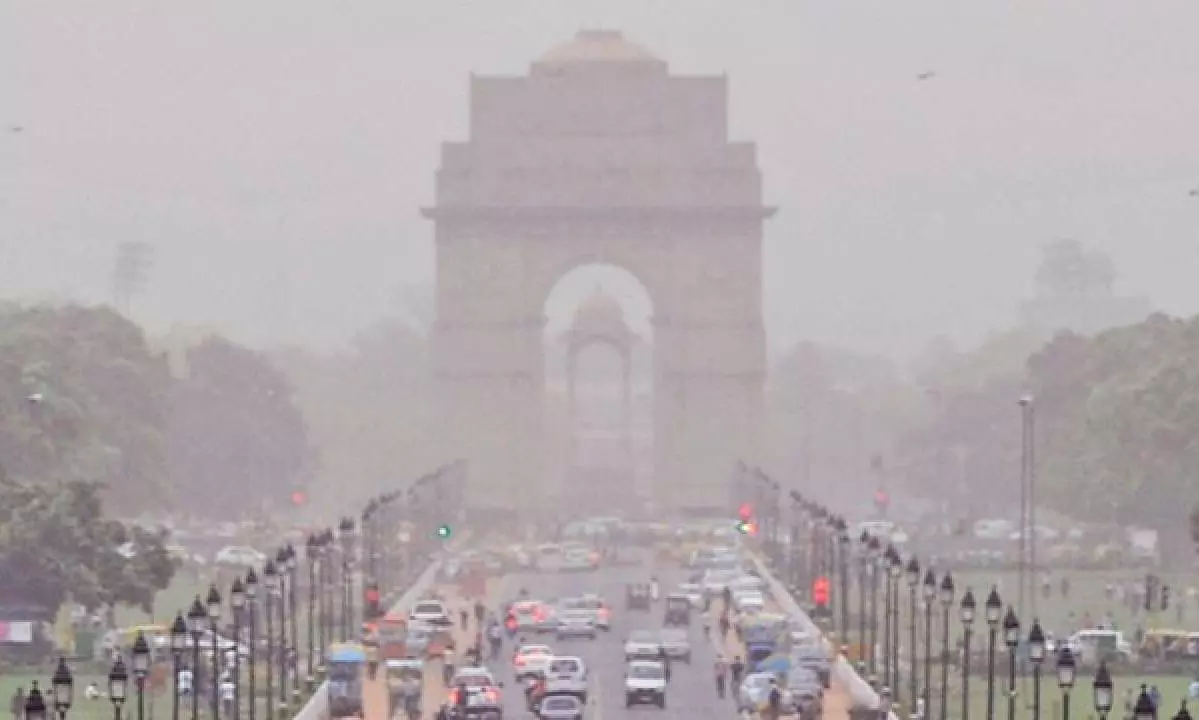
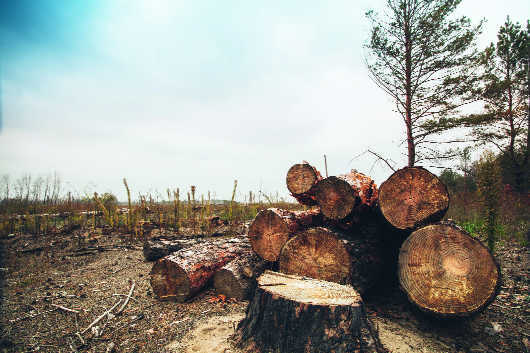
Introduction Deforestation, the large-scale removal of trees and forest cover, is one of the most pressing environmental issues in urban India today. In a rapidly expanding metropolitan city like Delhi, deforestation has become a serious concern due to increasing population, infrastructure development, and industrial growth. Once known for its green belts and rich biodiversity, Delhi is gradually losing its natural vegetation. This decline not only affects the environment but also has direct consequences for human health and overall quality of life. Extent of Deforestation in Delhi Delhi has experienced significant changes in land use over the past few decades. Green spaces, including forests, parks, and wetlands, have been replaced by roads, buildings, and commercial complexes. Areas such as the Ridge—often referred to as the “lungs of Delhi”—have faced continuous pressure due to encroachment and development activities. Although efforts have been made by authorities to increase tree cover, the rate of urban expansion often surpasses these initiatives. Satellite studies and environmental reports indicate that Delhi’s natural ecosystems have shrunk considerably. The loss of wetlands and green zones has further worsened the environmental condition of the city. While official data may show marginal improvements in forest cover, much of it consists of plantations rather than natural forests. Causes of Deforestation in Delhi 1. Rapid Urbanization The primary cause of deforestation in Delhi is rapid urbanization. As the capital city of India, Delhi attracts millions of people in search of better opportunities. This leads to the construction of housing complexes, shopping centers, highways, and metro networks, often at the cost of green areas. 2. Population Growth Delhi’s population has increased dramatically over the years. With more people comes a higher demand for land, water, and resources. Forested areas are cleared to accommodate residential colonies and public infrastructure. 3. Infrastructure Development Major development projects such as flyovers, expressways, and metro rail expansions require land clearance. Trees are often cut down to make space for these projects, contributing to deforestation. 4. Industrial Expansion Industrial growth in and around Delhi also contributes to deforestation. Factories, warehouses, and industrial zones often replace green cover, leading to habitat destruction. 5. Encroachment and Illegal Logging Encroachment of forest land for unauthorized settlements and illegal cutting of trees further accelerates deforestation. Weak enforcement of environmental laws allows such activities to continue. 6. Decline of Natural Ecosystems Wetlands, grasslands, and forest patches are being degraded due to pollution, construction, and human interference. These ecosystems are essential for maintaining ecological balance but are often neglected in urban planning. Effects of Deforestation in Delhi 1. Increased Air Pollution Delhi is already known for its severe air pollution. Trees act as natural filters by absorbing pollutants like carbon dioxide and particulate matter. The reduction in tree cover worsens air quality, making the city more prone to smog and respiratory diseases. 2. Urban Heat Island Effect Deforestation contributes to rising temperatures in Delhi. The absence of trees and green spaces leads to the urban heat island effect, where concrete structures absorb and retain heat, making the city significantly warmer than surrounding areas. 3. Loss of Biodiversity Delhi’s forests and green spaces are home to various species of birds, animals, and plants. Deforestation destroys their habitats, leading to a decline in biodiversity and, in some cases, the extinction of local species. 4. Water Scarcity and Flooding Trees play a vital role in maintaining the water cycle by aiding groundwater recharge and regulating rainfall. Their removal disrupts this balance, leading to water scarcity during dry seasons and increased flooding during heavy rains. 5. Soil Erosion Tree roots bind the soil and prevent erosion. Without vegetation, soil becomes loose and is easily washed away by rain, leading to land degradation and reduced fertility. 6. Impact on Human Health The combined effects of pollution, heat, and reduced green spaces have serious consequences for human health. Respiratory illnesses, heat strokes, and stress-related problems are becoming more common among Delhi residents. Government Initiatives and Efforts The government and various environmental organizations have taken steps to address deforestation in Delhi. Tree plantation drives, afforestation programs, and conservation projects have been launched to increase green cover. The Delhi government has also introduced policies to compensate for tree loss during construction projects by planting more trees elsewhere. Protected areas such as the Delhi Ridge are being preserved and restored to maintain ecological balance. Additionally, awareness campaigns are conducted to encourage citizens to participate in environmental conservation. Role of Citizens While government efforts are important, the role of citizens is equally crucial in combating deforestation. People can contribute by planting trees, protecting existing greenery, and reducing the use of paper and wood products. Community participation in plantation drives and environmental awareness programs can make a significant difference. Citizens can also raise their voices against illegal tree cutting and support policies aimed at environmental protection. Small actions, such as maintaining plants at home and conserving resources, collectively contribute to a greener city. Solutions to Control Deforestation 1. Sustainable Urban Planning Urban development should be planned in a way that minimizes environmental damage. Green spaces must be integrated into city planning. 2. Strict Enforcement of Laws Environmental laws must be strictly implemented to prevent illegal logging and encroachment. 3. Afforestation and Reforestation Planting trees and restoring degraded forest areas can help increase green cover. 4. Promotion of Green Infrastructure Green roofs, vertical gardens, and eco-friendly buildings can reduce the pressure on natural forests. 5. Public Awareness and Education Educating people about the importance of forests and the impact of deforestation is essential for long-term change. Conclusion Deforestation in Delhi is a critical issue that reflects the challenges of balancing development with environmental sustainability. While urban growth is necessary, it should not come at the cost of nature. The loss of green cover has far-reaching consequences, including pollution, climate change, and health problems. Addressing this issue requires collective efforts from the government, citizens, and organizations. By adopting sustainable practices and prioritizing environmental conservation, Delhi can work towards restoring its green heritage and ensuring a healthier future for
Deforestation in Delhi Read More »