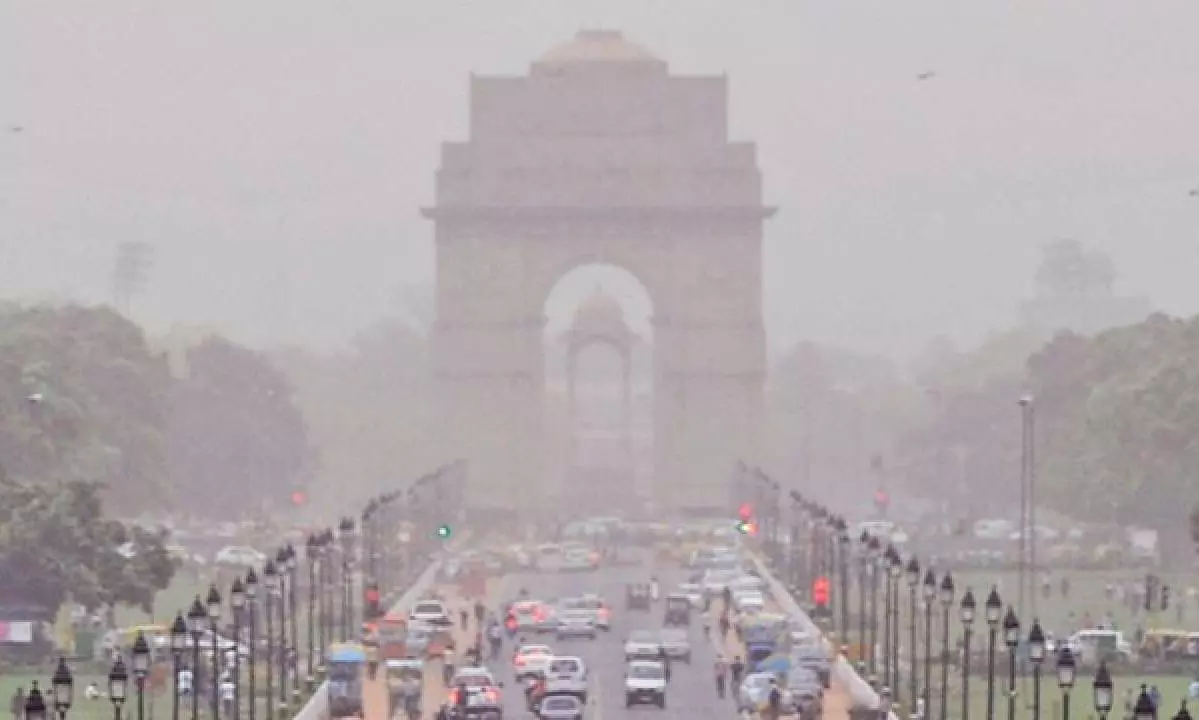


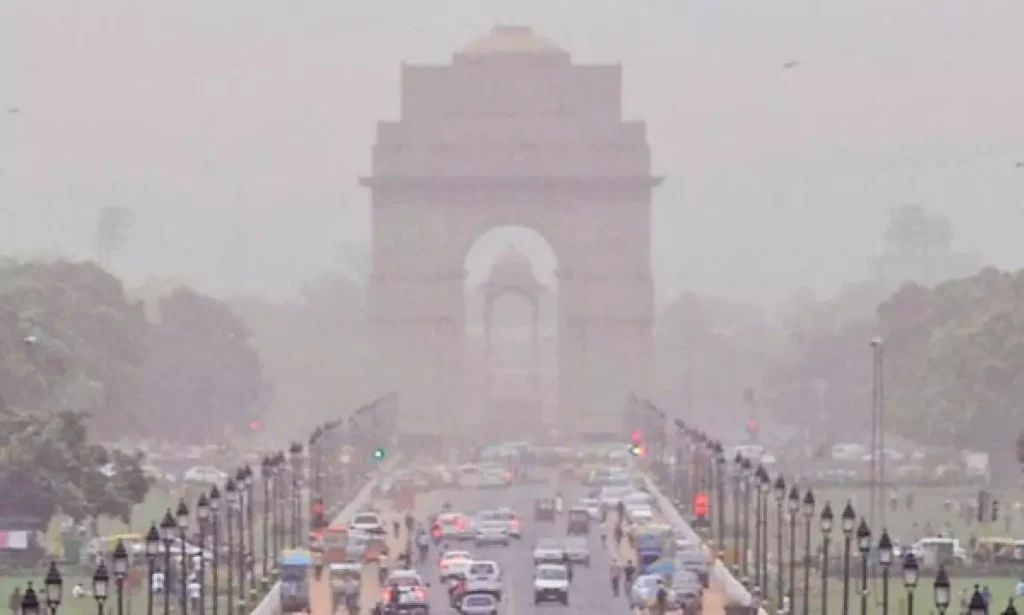
Air pollution in Delhi has become one of the most serious environmental and public health challenges in India. Every year, especially during winter, the air quality drops to hazardous levels, affecting millions of people.
Causes of Air Pollution
Several factors contribute to rising pollution levels in Delhi:
- Vehicular Emissions: A large number of vehicles release harmful gases like carbon monoxide and nitrogen oxides.
- Industrial Pollution: Factories and construction activities emit dust and toxic substances.
- Stubble Burning: Farmers in neighboring states burn crop residue, especially in Punjab and Haryana, which worsens air quality.
- Firecrackers: During festivals like Diwali, pollution spikes sharply.
- Weather Conditions: Low wind speed and temperature inversion trap pollutants near the ground.
Effects on Health
Air pollution leads to serious health problems such as:
- Respiratory diseases (asthma, bronchitis)
- Eye irritation and allergies
- Heart-related issues
- Reduced lung function, especially in children
Government Measures
Authorities have taken steps to control pollution:
- Introduction of the Odd-Even vehicle rule
- Promotion of electric vehicles
- Ban on certain firecrackers
- Monitoring through AQI (Air Quality Index) systems
Solutions and Awareness
To reduce pollution, collective efforts are needed:
- Use public transport or carpool
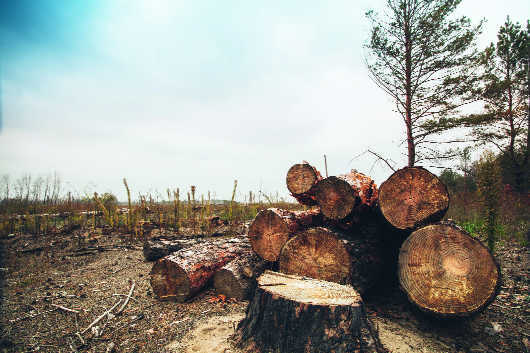
- Plant more trees
- Avoid burning waste
- Use clean energy sources
- Spread awareness about environmental protection
Conclusion
Delhi’s air pollution is a serious issue that requires immediate attention. With strong government policies and responsible citizen actions, the city can move towards cleaner and healthier air.
If you want, I can also provide hashtags, a short paragraph, or a speech version of this topic.